Curated, Not Cluttered: How Gen Z Is Turning Anime Merch Into a Legitimate Interior Design Language
There's a certain kind of apartment that used to define the anime fan's living space — a rolled-up Naruto poster, a Funko Pop or two sitting awkwardly next to a half-empty can of energy drink, maybe a body pillow that nobody talked about. It was a vibe, sure. But it wasn't exactly intentional.
That era is quietly, confidently over.
Across the US, a wave of Gen Z renters — college seniors, recent grads, young professionals signing their first real leases — are approaching anime merchandise the way a boutique hotel approaches its lobby art. With thought. With restraint. With a genuine eye for how objects interact with a space. And the results are genuinely stunning.
Beyond the Poster: When Fandom Becomes Décor Philosophy
The shift didn't happen overnight, but if you've spent any time on the interior design corners of TikTok or Pinterest in the last two years, you've probably noticed it. Accounts dedicated to what some creators are calling "elevated fan spaces" or "aesthetic otaku rooms" are pulling serious engagement — not just from anime fans, but from design-curious viewers who stumble in and stay because the spaces simply look good.
What separates these rooms from the fan caves of the past isn't the price tag on the merch — it's the curation. The thinking. A single high-quality figure from Good Smile Company, lit from below with a warm LED strip and placed against a neutral linen backdrop, reads completely differently than ten figures jammed onto a particle-board shelf. One feels like a statement. The other feels like storage.
Gen Z, raised on mood boards and deeply fluent in the visual language of Instagram aesthetics, gets this distinction instinctively.
The Display Case Moment
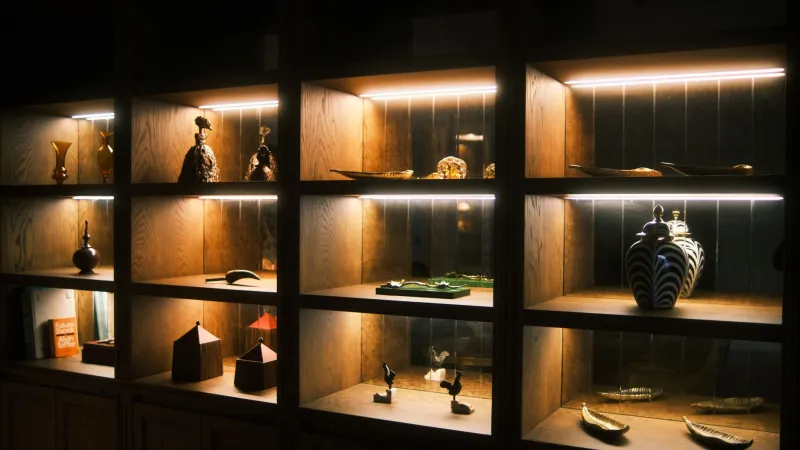
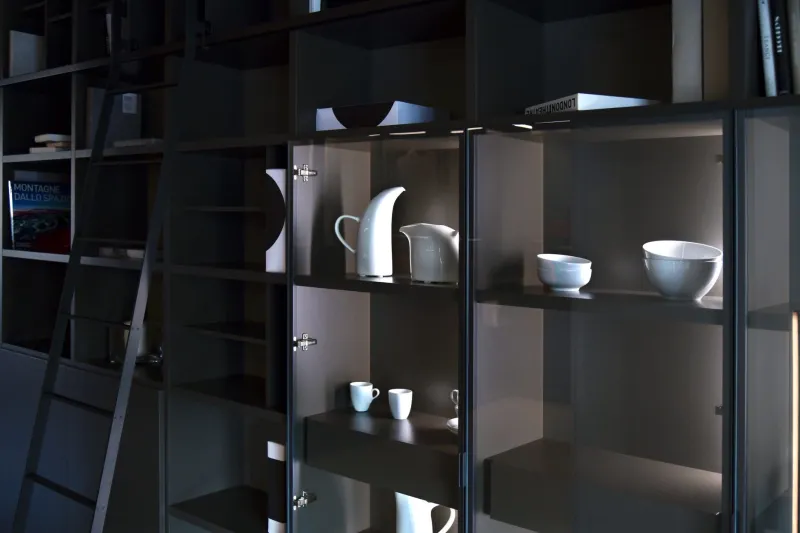
Ask any serious collector what single piece of furniture changed their space, and there's a good chance the answer is a display case. IKEA's Detolf and Billy bookcase with glass doors have become legendary in anime communities for exactly this reason — they're affordable, they're clean-lined, and with the right lighting kit installed inside, they transform figures into something that looks like it belongs in a specialty boutique in Harajuku.
But Gen Z isn't stopping at flat-pack solutions. Custom shelving from Etsy makers, floating wall-mounted acrylic risers, shadow boxes repurposed for limited-edition prints — the DIY ingenuity being applied to anime display is genuinely impressive. Reddit's r/animefigures and r/malelivingspace (despite the name, heavily used across genders) are full of setups that would look completely at home in an Architectural Digest spread if you swapped the Demon Slayer figures for abstract sculpture.
The logic is the same either way: give objects breathing room, control the light, and let the piece speak.
Mixing High and Low Without Apology
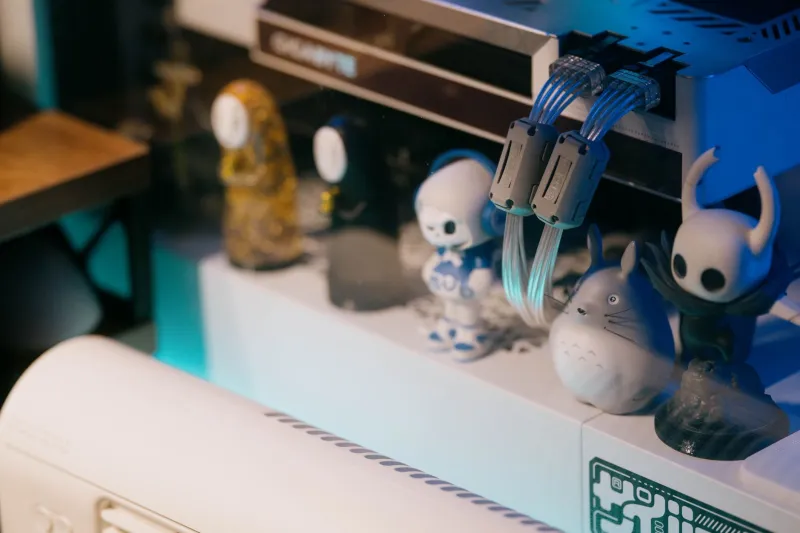
One of the most interesting things happening in these spaces is the deliberate blending of anime merch with mainstream or even upscale design elements. A Chainsaw Man art print in a thin black frame, hung gallery-style alongside a Museum of Modern Art postcard and a vintage botanical illustration. A Totoro plush sitting on a mid-century modern credenza next to a ceramic vase from a local pottery studio. A Jujutsu Kaisen tapestry used as a textile element in an otherwise minimalist, Japandi-influenced bedroom.
This is the move that really signals the cultural shift. It's not about hiding the anime — it's about refusing to let it exist in a separate, apologetic category. These are objects with real aesthetic value, and Gen Z is treating them that way.
Interior designers who work with younger clients are noticing this too. The conversation has moved from "how do I make my collection less obvious" to "how do I make my collection the focal point without it overwhelming everything else." That's a fundamentally different design problem, and honestly, a more interesting one.
Lighting Changes Everything
If there's one technical element that separates a thoughtfully designed fan space from a casual one, it's lighting. This is something the Gen Z crowd has absorbed from years of watching room tour videos and setup content — bad lighting makes even the best collection look like a storage unit. Good lighting makes a $30 figure look like it cost ten times that.
Bias lighting behind a display case. A small spotlight angled at a single statement piece. Warm-toned LED strips that give a shelf depth and drama. Even the choice between cool and warm white bulbs in a room's overhead fixtures affects how merch reads against a wall. These are choices that require actual thought, and the communities around aesthetic room design are sharing this knowledge constantly — tutorials, before-and-afters, lighting gear recommendations.
The result is a generation that understands color temperature and shadow direction before they've ever taken a design class.
Fandom as Identity, Not Embarrassment
Underneath all the aesthetics and the lighting rigs and the custom shelving, there's something culturally meaningful happening here. For a long time, being an anime fan in America came with a certain social tax — the assumption that your interests were niche at best, weird at worst, and definitely not something you'd broadcast through your living space.
That stigma has eroded dramatically, and Gen Z is living in the aftermath of that erosion. These aren't people decorating in spite of their fandom. They're decorating through it. The anime merch isn't something to explain away — it's the whole point. It's the thing that makes the space theirs.
And increasingly, the people who walk into these apartments — friends, dates, family members — aren't raising eyebrows. They're asking where to buy the print on the wall.
Where This Is All Going
The market is paying attention. More anime licensors are investing in premium merchandise — high-quality art prints, museum-grade reproductions, limited-edition collaborative pieces with actual designers — because they know there's an audience that will treat these objects with care and display them with intention. The merch is getting better because the audience is getting more sophisticated.
For anyone still decorating with thumbtacks and crossed fingers, consider this your sign to rethink the approach. Your collection deserves a proper home. Your apartment deserves to look like you — not like a temporary holding zone for stuff you haven't figured out what to do with yet.
The dorm room era is over. The dream apartment era is wide open.