Sacred Spaces: Inside the Obsessive, Beautiful World of American Anime Room Builds
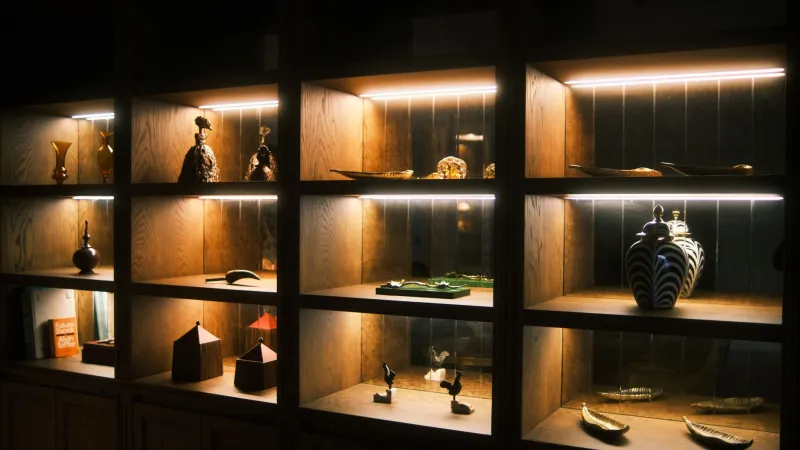
Walk into Marcus Webb's apartment in Austin, Texas, and the first thing you notice isn't the furniture. It's the glow. Soft purple LED strips trace the edges of three floor-to-ceiling display cases packed with scale figures — Rem from Re:Zero, a vintage Evangelion Unit-01, a pristine Nendoroid collection arranged like a tiny army on acrylic risers. A custom wall scroll anchors the whole setup behind his desk. His monitor is flanked by matching keycaps and a mousepad featuring a panoramic scene from Demon Slayer. "People come over and just stop in the doorway," Marcus says. "It's not a mess to me. It's a gallery."
Marcus isn't alone. Across the country, American fans of anime, manga, and Japanese gaming culture are quietly — and sometimes not so quietly — turning their personal spaces into immersive shrines to the media they love. What started as a few posters on a dorm room wall has evolved into a full-blown aesthetic movement, one that borrows as much from Japanese hobby culture as it does from American ideas about interior design and self-expression.
The Room Is the Statement
In Japan, the concept of the otaku room has been a recognized cultural artifact for decades. Akihabara shops sell dedicated display furniture, figure stands, and wall-mounting systems specifically designed for collectors. That infrastructure has slowly made its way to the US — partly through import retailers, partly through Amazon storefronts run by Japanese vendors, and increasingly through domestic companies that have caught on to the demand.
What's changed recently is the visibility. Platforms like TikTok, Reddit's r/animefigures, and YouTube channels dedicated to "room tours" have transformed the private hobby into a public performance. A well-executed setup can rack up hundreds of thousands of views. Collectors share lighting tricks, talk about sourcing rare pieces, and debate the merits of different display case brands with the same energy other people bring to sneaker collecting or vintage vinyl.
"There's a whole language to it now," says Priya Nair, a collector based in Chicago who documents her setup on Instagram. "People know what a Detolf is. They know what Funko lighting kits are. They're asking about UV protection for figures. It got technical really fast."
Building the Shrine: What It Actually Takes
The entry point for most collectors is a figure or two on a shelf — maybe a My Hero Academia character picked up at a convention, or a Nendoroid gifted by a friend. From there, the rabbit hole opens fast.
Serious setups typically involve a few key components. Display cases are the backbone — IKEA's Detolf glass cabinet has become something of a community standard, beloved for its clean lines and low price point, though dedicated collectors often graduate to Japanese brands like Detolf alternatives from the IKEA Billy series or purpose-built cases from companies like FigureRise. LED strip lighting is almost universal, with warm white and RGB options both popular depending on the overall vibe of the room.
Wall space gets just as much attention. Large-format fabric tapestries and wall scrolls — many sourced directly from Japanese retailers like AmiAmi or Hobby Japan — give rooms a cohesive visual theme. Some collectors go further, commissioning custom artwork or printing high-resolution panels from their favorite series.
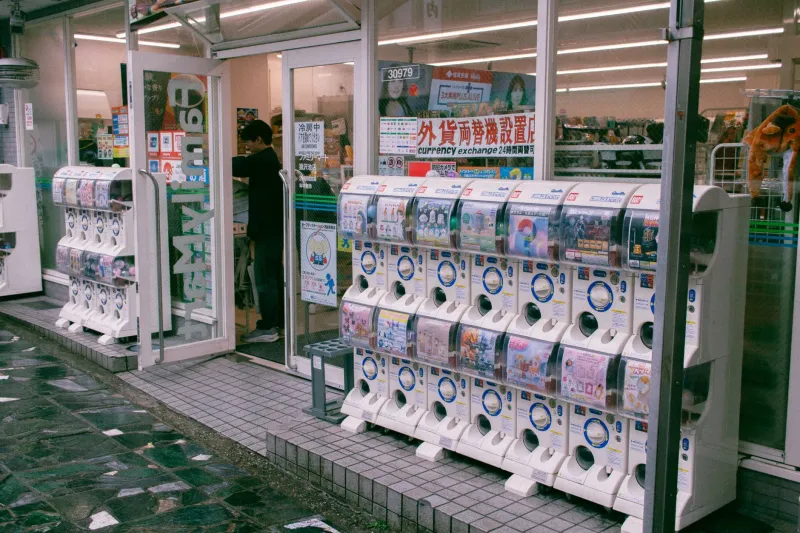
Then there are the figures themselves. This is where the economics get genuinely wild. A high-end 1/7 scale figure from a manufacturer like Good Smile Company or Alter can run anywhere from $100 to $400 new — and significantly more on the secondary market if it's been discontinued. Limited edition pieces, event exclusives, and prize figures from Japanese crane game machines all carry their own pricing logic. Collectors track release dates, set up proxy buying services to snag items from Japanese retailers, and follow resale platforms like Mercari Japan and Mandarake with the same intensity a sneakerhead brings to StockX.
"I've probably spent close to $8,000 building this room over four years," Marcus admits. "But I also bought smart. I know what holds value. Some of these figures I could flip tomorrow for double what I paid."
More Than Merch: Identity and Community
What makes the otaku room trend genuinely interesting isn't just the stuff — it's what the space means. For a lot of fans, especially those who grew up feeling like their interests were too niche or too weird for mainstream acceptance, having a room that openly celebrates Japanese pop culture is a form of reclamation.
The normalization of anime in US mainstream culture — driven by streaming platforms, the global explosion of Attack on Titan and Jujutsu Kaisen, and the crossover of Japanese aesthetics into streetwear and music — has made it easier to be openly enthusiastic. But the collector room represents something more committed than a Crunchyroll subscription. It's a declaration.
"My room is basically my personality made physical," says Jordan Tran, a college student in Los Angeles who shares room tour content online. "It tells you everything about what I care about without me having to explain it. And when other collectors see it, there's this immediate connection."
That community dimension is real. Online spaces dedicated to room setups have become hubs for advice, trades, and genuine friendship. People share sourcing tips, help each other track down out-of-print items, and celebrate each other's new additions with the kind of enthusiasm usually reserved for major life events.
The Design Question
As these spaces have gotten more elaborate, some collectors have started thinking about them less as fan caves and more as genuine interior design projects. The question of how to make a room feel curated rather than cluttered — how to let the passion show without overwhelming the space — has become a real aesthetic conversation.
Color coordination, negative space, lighting temperature, and the balance between merchandise and furniture all factor in. Some collectors lean into maximalism, covering every surface in a deliberate explosion of character goods. Others go minimal, treating a single lit display case as the room's focal point against otherwise clean walls.
Either way, the standard has risen. The days of just taping a poster above a twin bed and calling it a day are long gone. Today's otaku rooms are built, not just assembled — and the people building them are proud to show the work.
"I want people to walk in and feel something," Priya says. "The same way I feel when I watch the shows. That's the whole point."