Totoro on the Bookshelf, Spirited Away on the Walls: How Anime Aesthetics Are Quietly Transforming American Apartments
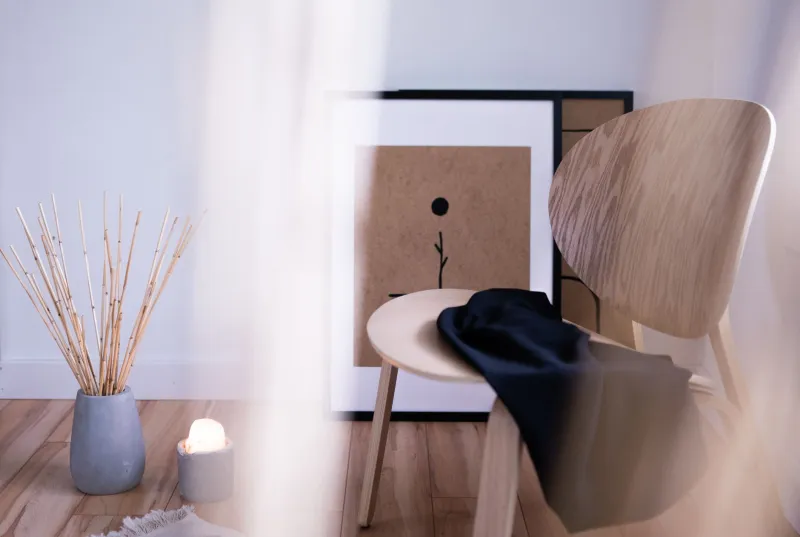
Walk into the right Brooklyn apartment or Austin studio these days and something might catch your eye. It's not a neon sign or a gallery wall of travel photos. It's subtler — a color palette that somehow feels like a Miyazaki film brought to life, a ceramic figurine tucked between real books, a framed print that looks like fine art until you recognize the bath house from Spirited Away.
Anime home décor in America has grown up. And it's gotten really, really good at hiding in plain sight.
From Merch Wall to Mood Board
For a long time, expressing love for anime at home meant one thing: merchandise. Funko Pops lined up on a shelf, a tapestry tacked to the wall, maybe a body pillow you definitely didn't tell your parents about. It was a vibe, sure, but it wasn't exactly interior design.
That's changing fast. A growing wave of American anime fans — mostly millennials who grew up watching Toonami and Gen Zers who discovered Ghibli on HBO Max — are rethinking what it means to bring Japanese animation culture into their homes. They're not abandoning their love for the source material. They're just getting more intentional about how it shows up in their space.
Think less "merch dump," more "curated aesthetic."
"My clients aren't trying to live inside a shrine to their favorite show," says Mara Delgado, a Los Angeles-based interior designer who's worked with several self-described anime fans on apartment renovations. "They want their home to feel like the emotional experience of watching those films. That's a totally different design challenge — and honestly, a more interesting one."
The Ghibli Palette Problem (And How Designers Are Solving It)
If you've ever tried to describe the visual mood of a Studio Ghibli film, you know it's weirdly hard to pin down. My Neighbor Totoro has that lush, almost oversaturated green countryside energy. Spirited Away swings between warm lantern-lit amber and cool, foggy blues. Howl's Moving Castle feels like dusty rose and burnished copper had a very romantic afternoon together.
Designers who work in this space have started using these films as legitimate color references — the same way they might pull from a Wes Anderson movie or a Scandinavian design catalog.
"I'll literally screenshot frames from Nausicaä or Castle in the Sky and bring them to a paint consultation," says Delgado. "There's this recurring use of soft sage greens, warm ivories, and muted terracottas in Ghibli films that translates beautifully into real interiors. It doesn't scream 'anime.' It just feels calm and alive at the same time."
Benjamin Moore and Sherwin-Williams don't have a "Ghibli collection" yet (someone please make this happen), but the tones fans gravitate toward — think earthy greens, hazy lavenders, warm neutrals with unexpected pops of color — map surprisingly well onto existing palettes in the cottagecore and japandi design movements already popular in the US.
Statement Pieces That Don't Compromise the Room
The real trick in anime-inspired interior design is knowing when to go big and when to pull back. A single well-chosen statement piece can anchor an entire room's identity without turning the space into a fan cave.
Art prints have become the go-to move. Platforms like Etsy are overflowing with high-quality, artist-made prints inspired by anime — some are faithful recreations of iconic scenes, others are more interpretive, capturing a mood or visual language without being a direct reproduction. Framed properly and hung with intention, these prints hold their own next to conventional fine art.
"I hung a large-format print of a Spirited Away-inspired bathhouse scene in a client's dining room," says Portland-based decorator James Okonkwo. "Guests always comment on it. About half of them don't immediately recognize the reference — they just think it's a really striking piece of art. That's kind of the goal."
Beyond prints, ceramics and sculptural objects are having a moment. Small-batch studios — many of them run by Japanese American artists — are producing Totoro-adjacent figurines, Princess Mononoke-inspired masks, and forest spirit motifs in materials that feel at home on a mid-century modern shelf as easily as anywhere else.
The Japandi Connection
It's worth noting that anime-inspired design doesn't exist in a vacuum — it's landing at a moment when Japanese aesthetic principles are already deeply embedded in American interior design culture.
Japandi, the hybrid of Japanese minimalism and Scandinavian hygge design, has been one of the dominant home décor trends in the US for the past several years. Its emphasis on natural materials, negative space, and functional beauty gives anime fans a ready-made visual framework to work within.
"Anime aesthetics and japandi actually have a lot of overlap," notes Delgado. "Both prioritize harmony, both have a deep respect for nature, and both understand that empty space is doing work. If you're already into japandi, adding anime-inspired elements doesn't feel like a contradiction — it feels like an extension."
This overlap helps explain why anime home décor has been able to cross over from niche hobby space into genuine design conversation. It's not fighting against mainstream tastes. In a lot of ways, it's riding the same current.
Where to Actually Shop
So where are people finding this stuff? The answer is pretty scattered right now, which is part of what makes building a cohesive anime-inspired space a fun challenge.
Etsy remains the best single source for art prints and handmade objects. Japanese home goods retailers like Muji (with US locations in New York, Los Angeles, and online) offer the kind of clean, natural-material basics that anchor an anime-inspired room without overselling the theme. For more explicit Ghibli merchandise with actual design quality, the official Studio Ghibli online store ships to the US and carries items that lean more collectible than kitschy.
Furniture-wise, the good news is that anime aesthetics don't demand a specific furniture style — they layer over whatever you already own. Low-profile sofas, natural wood tones, and soft textiles all play nicely with the vibe, but you're not starting from scratch.
This Isn't a Phase
What's really interesting about this movement is what it says about how anime fandom has matured in America. The kids who watched Spirited Away in theaters in 2003 are now in their late twenties and thirties, decorating their first real apartments with actual budgets and actual taste.
They haven't outgrown their love for these stories. They've just found more sophisticated ways to live with it.
And honestly? The results are pretty beautiful.