Printed, Stapled, Sold Out: How American Fans Turned Fan Manga Into a Real Paycheck
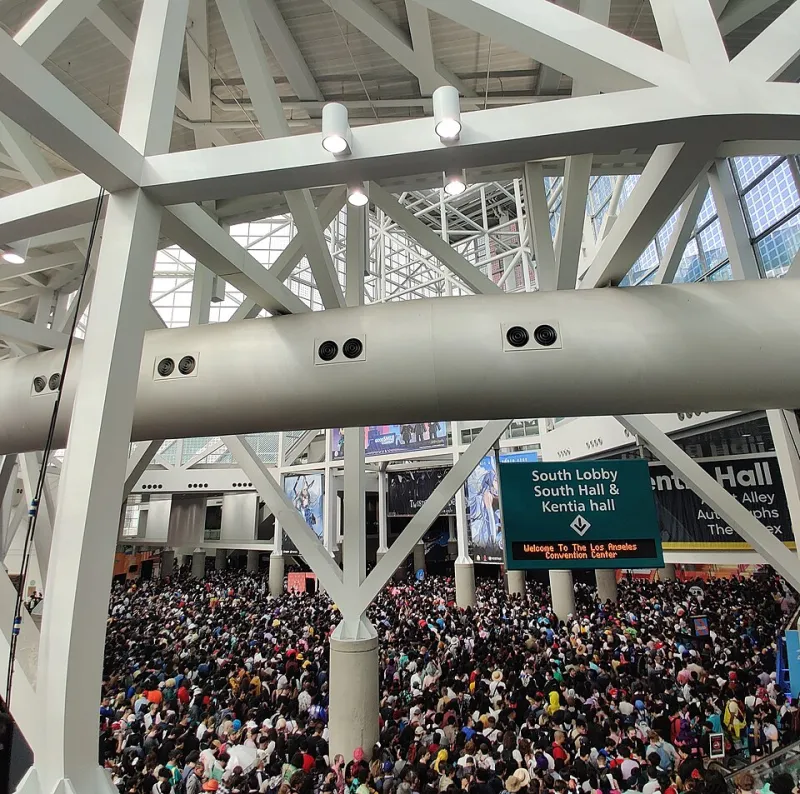
Photo: Jack145945, CC BY-SA 4.0, via Wikimedia Commons
Walk the Artist Alley at any major anime convention in the US right now and you'll notice something has shifted. Tucked between commission sketches and glossy character prints, there are stacks of hand-assembled booklets — some staple-bound, some perfect-bound, some wrapped in protective sleeves like precious collectibles. These are doujinshi, Japan's beloved tradition of self-published fan comics, and in America, they're no longer a curiosity. They're a career.
From Photocopy Machines to Shopify Stores
The word doujinshi roughly translates to "same-path publication" — a reference to groups of creators working outside official publishing channels. In Japan, the format has existed for decades, with events like Comiket drawing hundreds of thousands of attendees every year. In the US, the tradition took root more quietly, passed along through convention culture and early internet communities before exploding into something much more organized.
Today, American artists aren't just tabling at local cons. They're running Etsy shops, launching Kickstarters, building Patreon memberships, and selling limited print runs through platforms like Gumroad and Storenvy. The infrastructure for independent manga publishing has never been more accessible, and creators are taking full advantage.
"I started making doujinshi for a Fire Emblem ship back in 2018 and just kind of never stopped," says Maya Chen, a 26-year-old artist based in Portland who now sells through both her own website and at roughly a dozen conventions a year. "My first print run was 50 copies and I thought I'd have leftovers. I sold out in two hours. That was the moment I realized this could actually be something."
Maya's current setup includes pre-orders handled through her newsletter, a dedicated Discord server for fans, and a production workflow involving a local print shop she's been using for three years. Last year, her doujinshi sales cleared $18,000 — not her only income stream, but no longer just a hobby.
The Platform Economy Behind the Pages
What's made this possible isn't just passion — it's infrastructure. A handful of platforms have become essential to the doujinshi creator pipeline in America.
Gumroad remains a favorite for digital releases, letting creators sell PDF versions of their work with minimal overhead. For physical copies, Etsy still dominates for discoverability, though many established creators have migrated to independent storefronts to avoid fee increases and algorithm changes. Ko-fi and Patreon serve as recurring revenue engines, letting fans subscribe to early access or exclusive content.
On the production side, services like Mixam and Catprint have become go-to printers for small-batch runs, offering quality that was genuinely hard to access even five years ago. A creator can now produce a 48-page, full-color booklet in quantities as low as 25 copies without bankrupting themselves in the process.
Then there's TikTok and Instagram, which function less as storefronts and more as discovery engines. Artists who document their process — the sketching, the inking, the packaging — often find their follower counts (and pre-order lists) growing faster than their print queues can handle.
Why Doujinshi, and Why Now?
The timing of this boom isn't accidental. As mainstream publishing — both in comics and manga — has become increasingly consolidated and notoriously slow to take creative risks, self-publishing offers something the industry can't: total creative control with no gatekeeping.
For American artists specifically, doujinshi culture represents a middle path between the grueling submission process of traditional publishing and the unpredictable grind of social media content creation. A doujinshi is a finished object. It has weight and texture. It sells for $15 to $40 depending on size and print quality, and it carries an authenticity that mass-produced merch simply doesn't.
"There's a real hunger for things that feel handmade and intentional," says Jordan Park, a Chicago-based creator who specializes in original doujinshi — meaning his work features his own characters rather than established IP. "People at cons will hold my books and flip through them like they're rare finds. That interaction doesn't happen with a phone screen."
Jordan's pivot to original content is part of a broader trend worth noting. While fan works based on existing anime, games, and manga remain the backbone of the doujinshi economy, a growing number of American creators are using the format to develop entirely original stories — essentially self-publishing manga on their own terms before seeking any kind of traditional deal.
The Legal Gray Zone Nobody Talks About
Any honest conversation about doujinshi has to acknowledge the elephant in the room: most fan-made work exists in a legally ambiguous space. Selling comics based on copyrighted characters without a license is technically infringement, and American IP law is considerably less tolerant of this than the informal understanding that has long existed in Japan between rights holders and the doujinshi community.
Most creators navigate this by keeping print runs small, avoiding mass-market distribution channels, and staying within what the community informally calls "fan economy norms." Major IP holders have, for the most part, chosen to look the other way — likely recognizing that doujinshi culture drives engagement and fandom loyalty rather than competing with official products.
But it's a tension that doesn't fully go away, and creators who want to scale their work significantly often find themselves pivoting toward original content as a safer long-term strategy.
More Than a Side Hustle
What's remarkable about the American doujinshi scene isn't just the money — it's the community architecture that's grown up around it. Discord servers dedicated to doujinshi creators share printing tips, con table strategies, and emotional support during the brutal weeks before a major event. Online groups organize group orders to reduce shipping costs. Veteran creators mentor newcomers on everything from pricing strategy to cover design.
It looks, in a lot of ways, like a small creative industry that built itself from scratch because the existing industry wasn't making room.
"Nobody handed us this," Maya says. "We just kind of... built it. And now it's real."
For anyone who's ever browsed an Artist Alley and felt the magnetic pull of a beautifully produced indie manga, that reality is already pretty obvious.